
Top Features to Look for in Pellet Cooling Machines
02/24/2025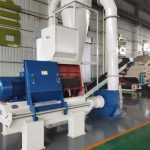
Role of a Wood Hammer Mill in Wood Pellet Production
02/24/2025
Demand for sawdust pellets is growing highly. It is one of the types of biomass fuels, which are fast becoming popular for many things. Sawdust pellet machines are making sawdust, rice husk, and wood waste into pellets for different applications. Let’s go in further detail as to why such an enormous demand exists for sawdust pellets.
1. Sustainability
This effort toward reduced carbon emissions is forcing businesses to find alternative means of power. Sawdust pellets, for instance, are a product of wood waste, and these offer the green alternative to petroleum products, which burn off almost virtually less.
2. Government Initiatives
Many countries are developing policies to support the use of environment-friendly sources of energy. Such policies include offering incentives for biomass fuel production and utilization. Such incentives encourage businesses and homes to adopt sawdust pellets for heating and electricity generation. Raw materials are transformed into usable pellets using pelletizer machine in different industries.
3. Cost-Effectiveness
Because of the increasing costs of non-renewable energy sources, sawdust pellets are economical and reliable. Due to their great energy density and efficient burning, they can be applied at large and small scales.
Opportunities for Manufacturers
1. Increasing Creation Ability
The increased demand is catered by increasing the scale of production. The investment made in high-value sawdust pellet machines will expand the production chain with minimal sacrifices on quality.
2. Export Potential
Global demand in Europe and Asia for sawdust pellets presents golden business opportunities. Sawdust pellet manufacturers can reap global business markets using fair evaluation with commonly found item quality.
3. Innovations in pellet technology
Extra advantage for manufacturers to stay ahead of competition is to spend on research and development to promote pellets that have more energy efficiency and lower debris content. A niche advantage could also be the provision of customized pellet sizes for certain applications.
Difficulties to Address
1. Availability of raw material
This increases the demand for sawdust pellets and may, in turn increase the competition for unrefined materials such as sawdust and wood chips. The manufacturers should be able to provide a constant supply to avoid delays in their production cycles.
2. Quality Standards
Maintaining stable quality is fundamental in meeting all international standards as well as attaining customer satisfaction. Manufacturers are also required to invest in various control measures ensuring their pellets produce efficient results.
3. Energy Costs
Production of pellets is a highly energy-intensive process. Process improvement and incorporation of efficient technologies are going to bring down the operational costs.
Future Aspects
Sawdust pellets guarantee an attractive future with rising demands; hence manufacturers will have enough potential to shift and grow if necessary. Worldwide energy arrangements are already biased toward renewable sources, thereby biomass fuel stands in readiness to boost at great paces. Sustainable production, innovation investments, and formation of well-solid stock chains can make such producers better-placed to profit from this new market opportunity.
Conclusion
Demand for sawdust pellets is increasing, which can neither be just a trend but a reflection of the changing world that is increasingly leaning towards renewable energy sources. The increased demand presents manufacturers with the greatest opportunity to expand, grow, and spearhead developments around sustainable power. Manufacturers can take part in making this greener and more feasible future by paying attention to the challenges beforehand and synchronizing with the demand of the market.
Shandong Yulong Machine Co., Ltd. brings advanced biomass pellet machines with large handling capacity and high efficiency. Choose our range of equipment to turn agricultural waste into valuable energy resources.